Attention on CTV vs Mobile: where the gaze actually lands
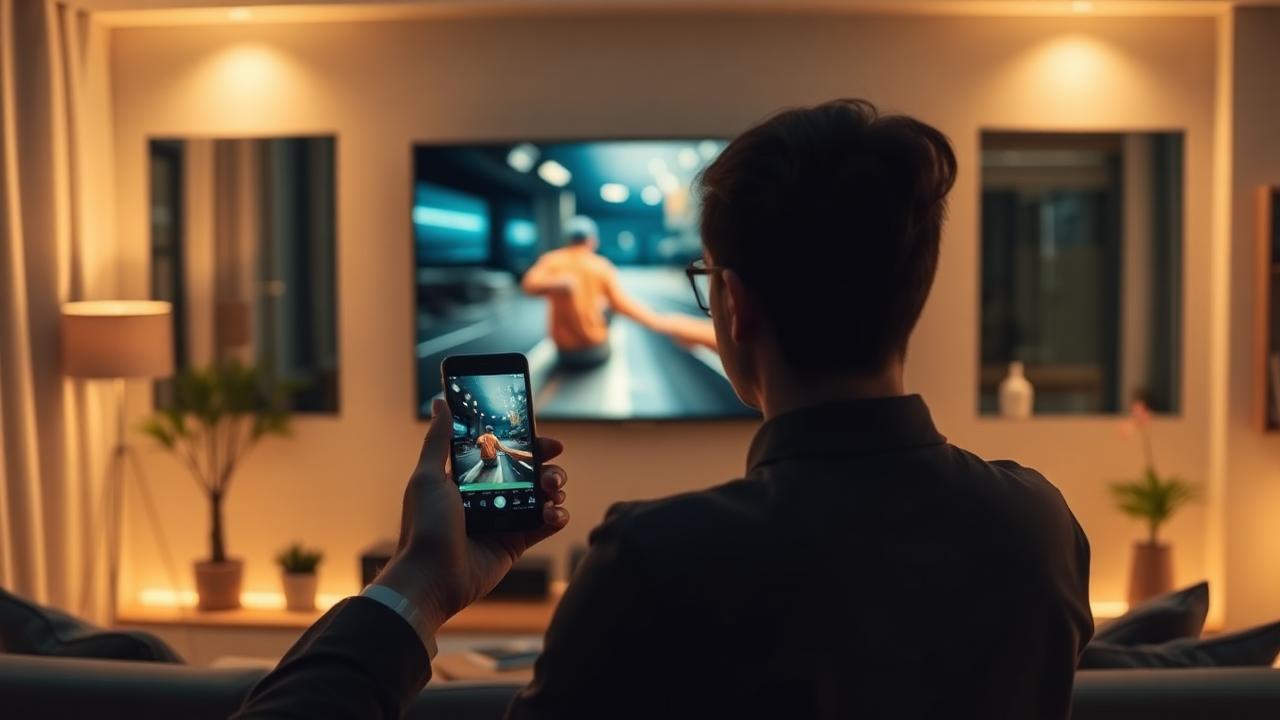
Connected TV averages more exposure time per impression than mobile. But exposure isn't gaze: in the home environment, the second screen competes directly with the ad — and eye-tracking data show that a meaningful share of the audience is looking at their phone while the ad plays on the TV.
Mobile starts from the opposite assumption: the screen is close, in the hand, and fills nearly the whole visual field. Vertical full-screen formats often deliver attentive seconds per impression competitive with CTV — provided the creative is built for the medium, not adapted from a 30-second spot.
The useful conclusion for a CMO is not 'channel X wins': it's that cost per attentive second (CPaS) reveals very different hierarchies from those that emerge via CPM. A low CPM with a high CPaS is a bad deal in disguise; a high CPM with a competitive CPaS may be the best investment of the campaign.
Comparing media requires a common metric. Attention is that metric — and it is what allows, for the first time, evaluating CTV, mobile, display and digital audio on the same unit.
Discover your company's readiness level
Take the Attention Score diagnostic in 3 to 5 minutes and get personalised recommendations for the next steps.
Start the diagnosticRelated articles
Why Viewability does not mean Attention
Viewability measures whether an ad was on screen. Attention measures whether anyone actually looked. The difference changes how we evaluate every media buy.
Attention MetricsWhat are Attentive Seconds?
Attentive seconds is the metric that measures effective gaze time on an ad. We explain how it's calculated and what it's for.
FundamentalsThe neuroscience of Attention in advertising
Attention isn't a conscious choice — it's a biological filter. Understanding how the brain selects stimuli helps design advertising that survives that filter.